
The Importance of Lighting and Effects in Event Planning
The Role of Lighting in Event Planning
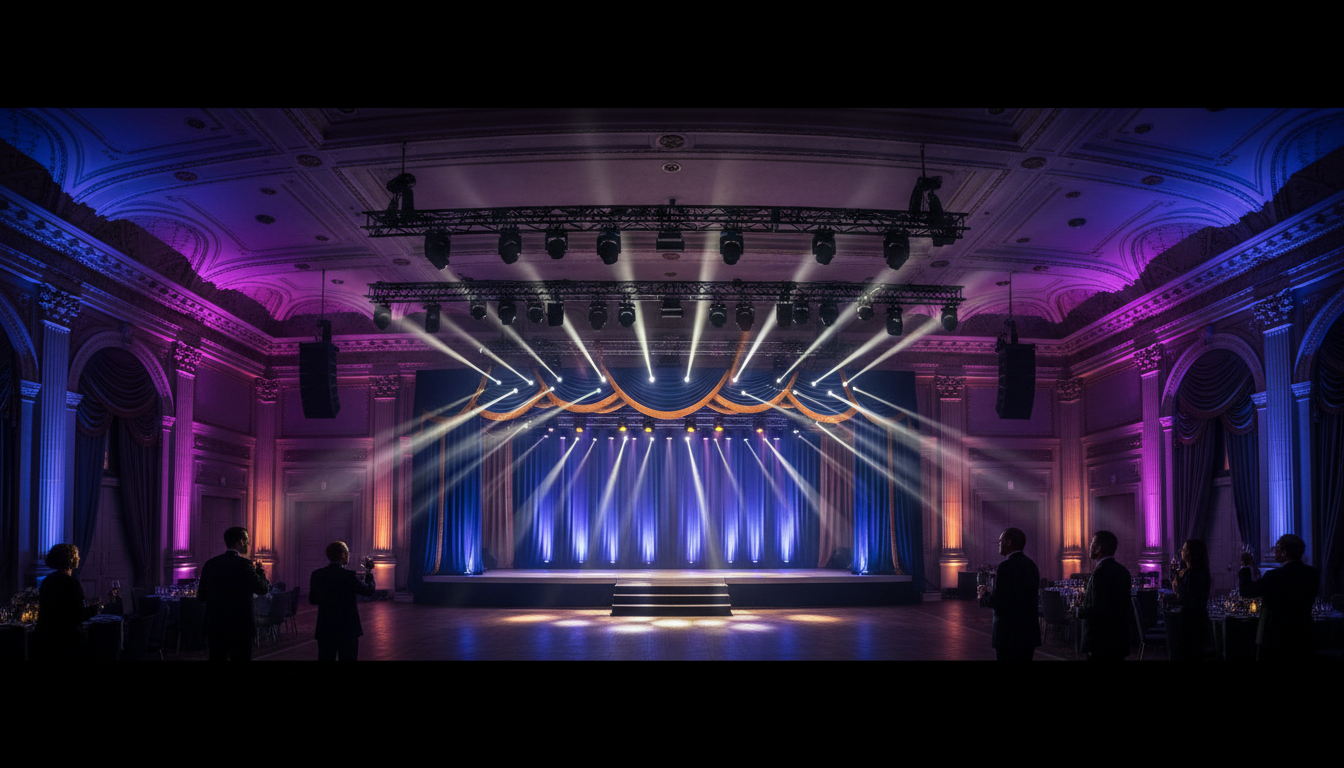
Lighting plays a critical role in setting the mood and atmosphere of an event. Whether it's a corporate gathering, wedding, or concert, the right lighting can transform a venue and enhance the overall experience for attendees. By choosing the appropriate lighting style, you can create a welcoming ambiance that aligns with the event's theme and purpose.
One of the main functions of lighting is to draw attention to specific areas or features. For example, spotlighting a stage for a keynote speaker or highlighting a beautifully decorated cake at a wedding. This strategic use of light can guide the audience's focus and emphasize important aspects of the event.
Different Types of Lighting for Events
There are several types of lighting to consider when planning an event. Each type serves a unique purpose and can be used to achieve various effects. Here are some common lighting options:
- Ambient Lighting: Provides general illumination for the entire venue.
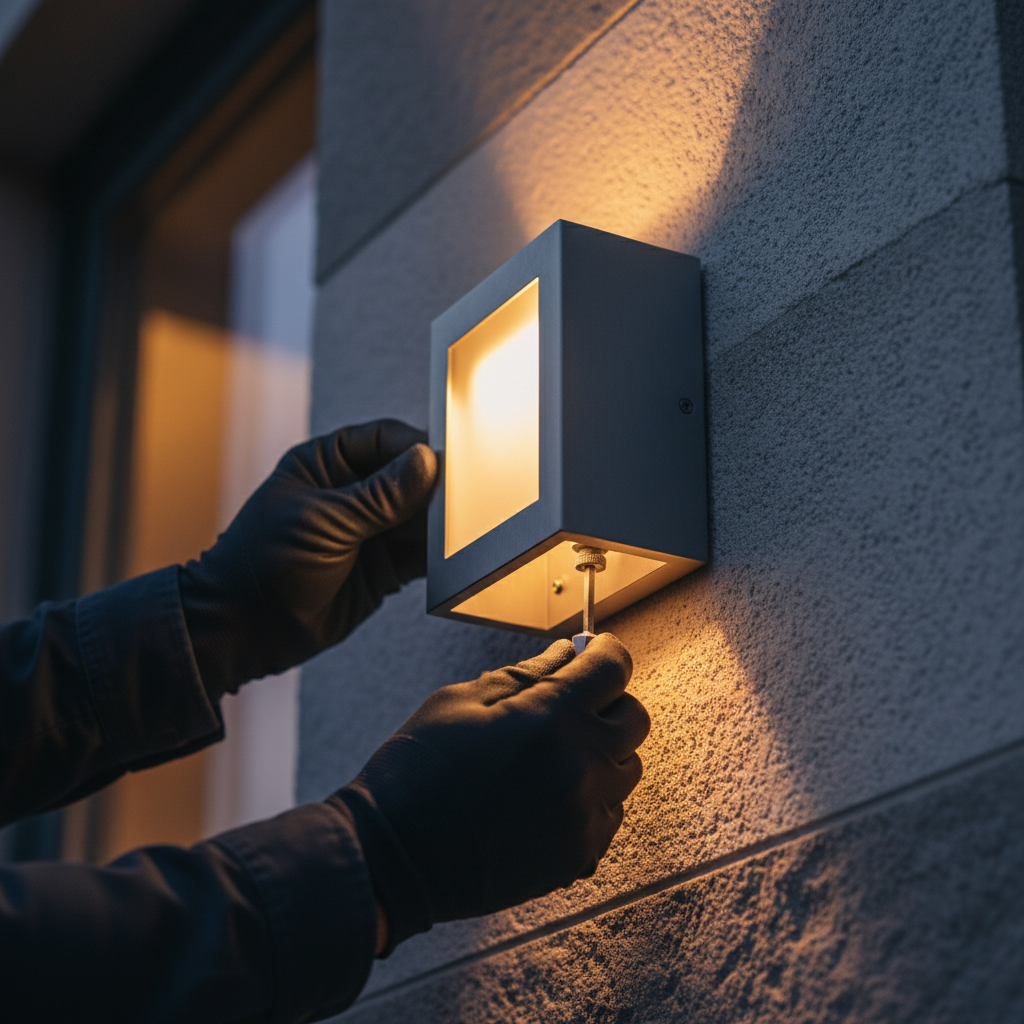
- Accent Lighting: Used to highlight specific areas or objects.
- Task Lighting: Focuses light on particular tasks or activities.
- Decorative Lighting: Adds visual interest and enhances the aesthetic of the space.
Understanding the different types of lighting can help event planners make informed decisions that align with the event's goals and aesthetic.
The Impact of Lighting on Mood and Perception
Lighting is a powerful tool that can influence the mood and perception of attendees. Soft, warm lighting can create a cozy and intimate atmosphere, perfect for weddings or dinner parties. In contrast, bright, dynamic lighting can energize a space, ideal for concerts or lively celebrations.
Research has shown that lighting can also affect emotions and behavior. For instance, blue lighting has a calming effect, while red lighting can evoke excitement and passion. By understanding these psychological impacts, event planners can craft environments that evoke the desired emotional responses from attendees.
Incorporating Effects for Enhanced Experiences
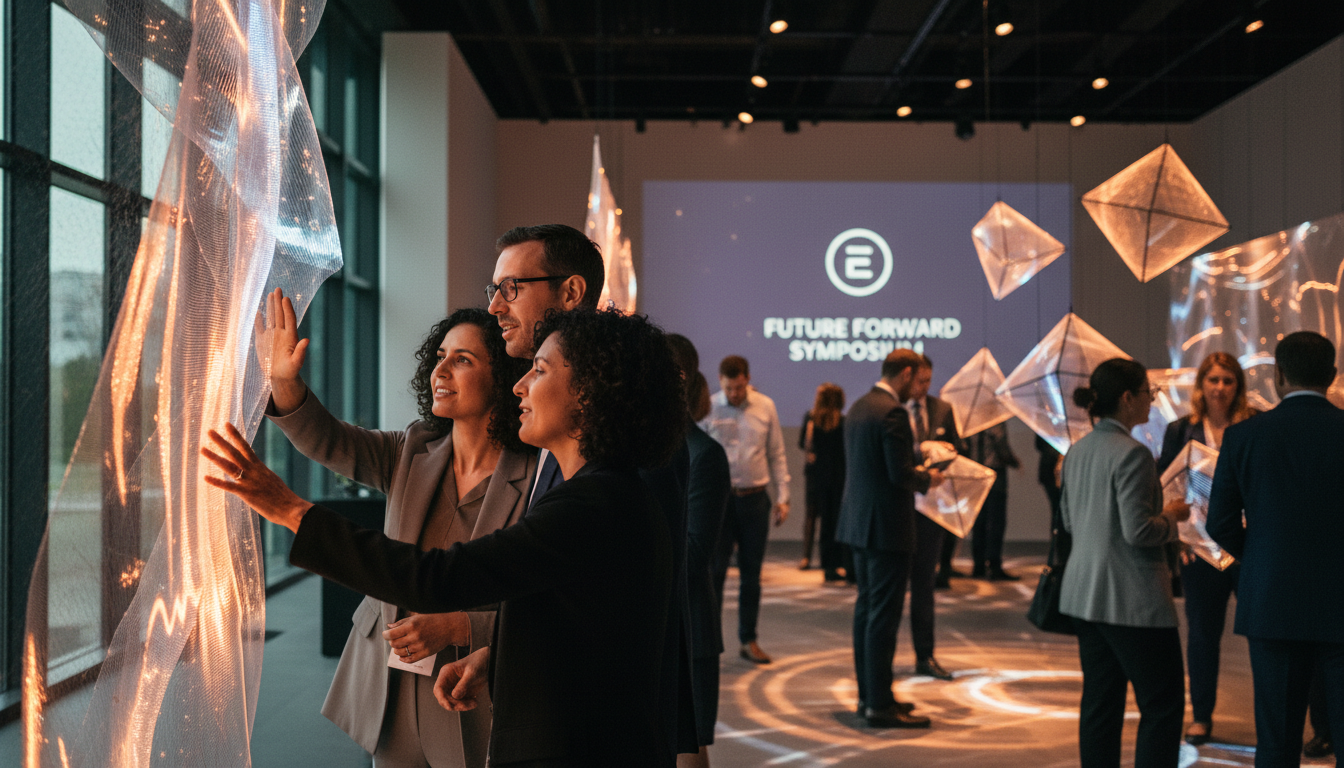
Beyond traditional lighting, incorporating effects such as projections, lasers, and fog machines can elevate an event to new heights. These elements add layers of visual interest and can transform a simple space into a captivating experience.
Effects can be particularly useful for thematic events or performances. For example, using projections to create a starry night sky for an outdoor gala or employing fog machines to create a mystical atmosphere for a theatrical performance. Such effects can leave a lasting impression on guests and make the event memorable.
Planning and Execution Tips
When planning lighting and effects for an event, it's crucial to start early and work closely with professionals. Here are some tips to ensure success:
- Define the event's theme and objectives to guide lighting choices.
- Conduct site visits to understand the venue's layout and possibilities.
- Collaborate with lighting designers to create a cohesive plan.
- Test all equipment before the event to avoid technical issues.
By following these steps, event planners can ensure that lighting and effects are effectively integrated, enhancing the overall experience for attendees.
Conclusion
Lighting and effects are essential components of successful event planning. They not only enhance the visual appeal of a venue but also influence the mood and experience of guests. By thoughtfully selecting and executing lighting and effects, event planners can create unforgettable experiences that resonate with attendees long after the event concludes.